

• Polski Związek Karate Tradycyjnego – karate.pl
Polski Związek Karate Tradycyjnego Polski Związek Karate Tradycyjnego
Baza PZKT
  • Związek
    • Karate tradycyjne
      • Kompendium wiedzy
        • Definicja karate
        • Budo
        • Podstawowe pytania
        • Różnice pomiędzy karate tradycyjnym a szkołami nowoczesnymi
        • Instruktor karate
        • Słowniczek
          • Słowniczek technik
          • Komendy sędziowskie
          • Dojo Kun
          • Liczebniki
        • Wymagania egzaminacyjne
          • Stopnie i ich zasadnicze kryteria
          • KYU (9) KYU
          • HACHI (8) KYU
          • SHICHI (7) KYU
          • ROKU (6) KYU
          • GO (5) KYU
          • YON (4) KYU
          • SAN (3) KYU
          • NI (2) KYU
          • ICHI (1) KYU
          • SHO (1) DAN
          • NI (2) DAN
          • SAN (3) DAN
          • YON (4) DAN
          • GO (5) DAN
          • ROKU (6) DAN
          • SHICHI (7) DAN
          • HACHI (8) DAN
          • KYU (9) DAN
        • Walki indywidualne i drużynowe
        • Kata
        • Kumite
        • Fuku-go, en-bu
      • Czym jest karate tradycyjne?
      • Historia karate tradycyjnego
      • Hidetaka Nishiyama
      • WTKF
      • Historia karate tradycyjnego w Polsce
        • 1970-1980
        • 1981-1990
        • 1991-1996
        • 1997-2000
        • 2001-2005
        • 2006-2010
        • 2011-2015
        • 2016-2017
    • Związek – władze
    • Związki wojewódzkie
    • Egzaminatorzy i sędziowie
    • Kursy
    • Przepisy sędziowskie
    • Dokumenty
    • Druki
  • Aktualności
  • Kalendarz
    • Imprezy pod patronatem PZKT 2026
  • Kluby
  • Wyniki
    • Mistrzostwa Polski
      • Mistrzostwa Polski seniorów i juniorów
      • Mistrzostwa Polski juniorów młodszych
      • Mistrzostwa Polski senior+
      • Młodzieżowe Mistrzostwa Polski
      • Międzywojewódzkie Mistrzostwa Młodzików
    • Mistrzostwa Europy
      • Mistrzostwa Europy seniorów
      • Mistrzostwa Europy młodzieżowców, juniorów i kadetów
      • Otwarte Klubowe Mistrzostwa Europy
    • Mistrzostwa Świata
    • Puchar Polski
      • Indywidualny Puchar Polski w Karate Tradycyjnym
      • Drużynowy Puchar Polski Regionów
      • Puchar Polski Dzieci
      • Puchar Polski w Kumite Drużynowym
    • Puchar Europy
      • Puchar Europy Dzieci
      • Puchar Europy w Karate Tradycyjnym
    • Puchar Świata
      • Puchar Świata Dzieci
      • Puchar Świata w Karate Tradycyjnym
    • Polska Liga Karate Tradycyjnego
  • Ranking PZKT
    • Ranking Zawodników PZKT
      • Senior
      • Młodzieżowiec
      • Junior
      • Juniorzy młodsi
    • Regulamin Rankingu PZKT
  • Kontakt
  • Sportdata
  • 6 lutego 2014

Winter Gasshuku 2014

dGasshuku_zima2014_en

Winter Gasshuku 2014
The winter edition of the Traditional Karate Seminar Gasshuku 2014 and the National Judges’ Training Course took place between 29 of January and 2 of February 2014 at the Japanese Martial Arts and Sports Centre 'Dojo – Stara Wies’ in Stara Wies (Poland).

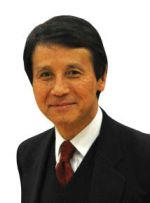
The Gasshuku was held by Sensei Masao Kawasoe 8 Dan and Sensei Wlodzimierz Kwiecinski 7 Dan ITKF. The seminar gathered 90 participants from: Czech Republic, Israel, Lithuania, Slovenia, Romania, Uruguay, United Kingdom and Poland.

On Saturday (1 February) took place the Plebiscite for the Best Polish Traditional Karate Athletes 2013 and on Sunday took place elimination matches of Traditional Karate League of Poland 2014 and the 1st tournament of the League (Results).
a

Sensei MASAO KAWASOE was born in 1945, his father was a Japanese businessman and he has two brothers. His parents stay in Kyushu in the south of Japan. He began his martial arts training in judo and at the age of 15 saw a karate demonstration. This so impressed him he started looking to find a dojo to train. One of his first instructors was the world famous Sensei Tysuama, who’s home was in the same town, Saga City. Training through his high school and then going to the famous karate University of Takushoku, he continued to train with Sensei Tysuama.

This training took the form of 6 days per week, 3 hours per day for 4 years. During this time he was spotted by the Japan Karate Association and invited to take full time JKA instructors course under Sensei Nakayama. He successfully completed this over the next 3 years. Upon graduating as an international JKA instructor, Sensei Nakayama said of him:
“Through his mastery of karate basics he has come to reach a level few achieve, his technique inspires all who see it to strive for the ideals of Shotokan Karate.”

High honour indeed from the head of the JKA. He then taught in Taiwan and Madagascar before coming to Britain in 1974. His dedication to tradition, quality and manners is universally acknowledged, with few able to perform the physical demands he makes of himself. He has a world-wide following of senior students who have been with him and followed tradition by developing and teaching excellent Shotokan Karate. Long may this continue and, in his own words:
”I am lucky to have good karate, but even more I am lucky to have good students to carry it forward. My wish is to leave something worthwhile behind for everyone. My life is then complete.”

galfoto_417_daa81b61c2070b9b318f4b0bc5446fa7_b
galfoto_417_4b1f5040b17d8239544a708f7b05aeab_b
galfoto_417_b40521b09fa58ed447dddf35a3c3cfab_b
galfoto_417_85ddc562cba08d5a3ac9443ad5304c7a_b
galfoto_417_4719691d0171c0618229495594056b32_b
galfoto_417_4cd82d8d08a7f68a32f73beadd02698e_b
galfoto_417_49214057f2dc953df4ee6408ad654de0_b
galfoto_417_37e5c91f3310fb013b9039e77ae0af56_b
galfoto_417_ac7289605b9015be985364adaaf634dd_b
galfoto_417_eae39f25b4300c52a606090cc56c7340_b
galfoto_417_df0f5dbf0b2b151248e5dfe25d335708_b
galfoto_417_74a533a3f55fafe8e83285b229f304d5_b
galfoto_417_7ef4e00bab501875dae4e956ca697941_b
galfoto_417_82f018c3c1cb2d731d2929049ad998c8_b
galfoto_417_422fd833dae95cd28c7a142acd70a4ae_b

◄ 1 2
Prev PostZimowe Gasshuku 2014
Next PostRelacja TV – plebiscyt na Najlepszych Zawodników w Karate Tradycyjnym 2013 Roku

Polski Związek Karate Tradycyjnego
ul. Osowska 82, 04-351 Warszawa
E-mail: biuro.pzkt@karate.pl
tel.: +48 690 598 700
Kontakt telefoniczny
Poniedziałek 8:30-16:30
Wtorek 8:30-17:30
Środa 8:30-16:30
Czwartek 8:30-17:30
Piątek 8:30-15:00

Adresy e-mail

Biuro: biuro.pzkt@karate.pl
Prezes PZKT: neugebauer.instytut@gmail.com

Przydatne linki

  • Baza PZKT
  • Dokumenty
  • Druki
  • Związki wojewódzkie
Copyright 2021 Polski Związek Karate Tradycyjnego, All rights reserved.